
January Moisture Risks in California: How Hidden Humidity Can Damage Your Property
By DKI Restotech Team · Jun 8, 2026 · Updated Jun 12, 2026 · 4 min read
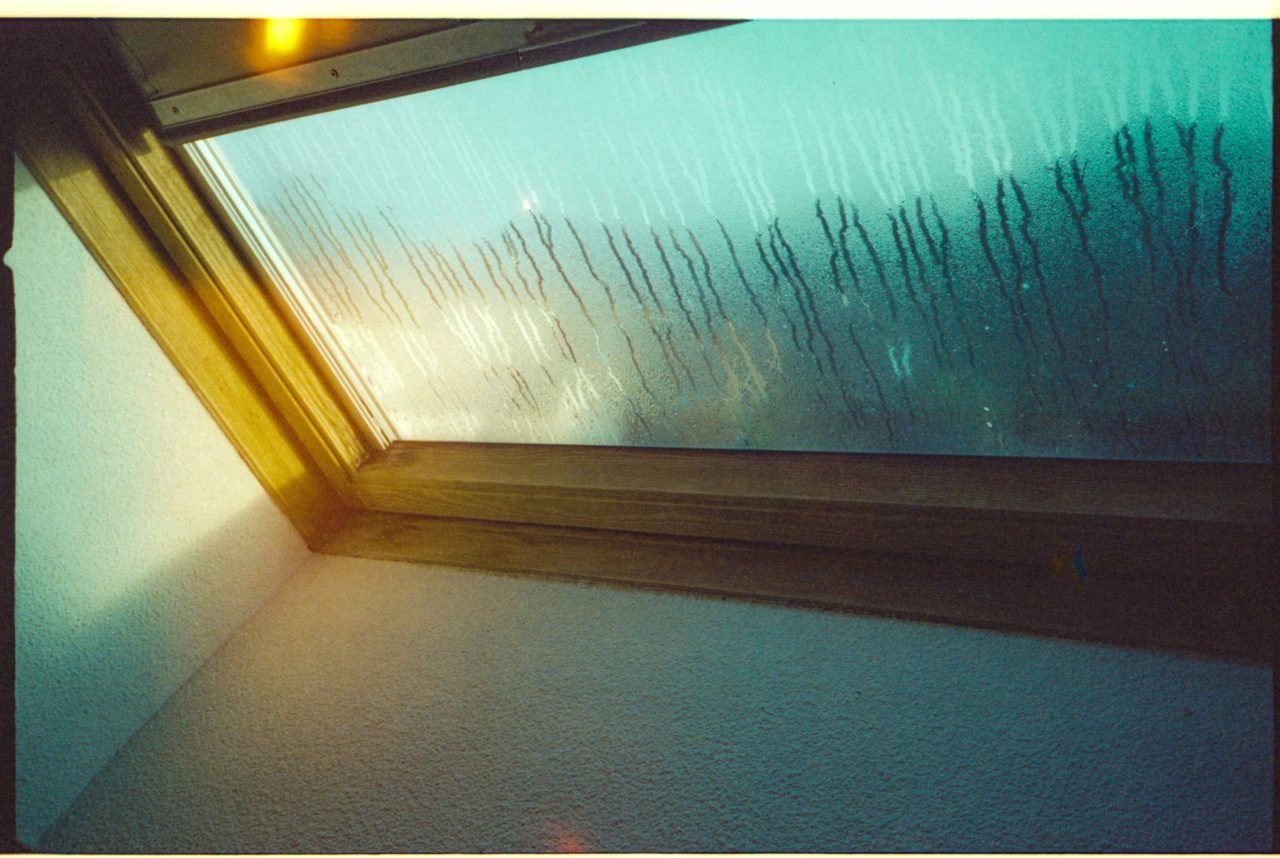
Where Moisture Hides in LA Homes & How It Leads to Property Damage
January in California is often associated with mild temperatures, but it is also one of the most moisture-intensive months of the year for homes and commercial properties. Winter rain, elevated indoor humidity, and reduced ventilation can quietly create conditions that lead to structural damage, mold growth, and long-term indoor air quality issues.
For property owners across Southern California, understanding how hidden moisture behaves during winter is critical to preventing costly restoration issues later in the year.
Why January Is a High-Risk Month for Moisture Damage in California
Unlike colder climates, California properties are rarely designed for prolonged moisture exposure. January brings a combination of environmental factors that increase risk without obvious warning signs.
Key Winter Moisture Contributors
- Seasonal rainstorms and wind-driven water intrusion
- Aging roofing and flashing exposed to repeated rainfall
- Crawl space and slab moisture from saturated soil
- Poor attic ventilation trapping condensation
- Increased indoor humidity from closed windows and heaters
These conditions allow moisture to accumulate slowly, often remaining undetected until damage becomes visible.
How Hidden Moisture Impacts Your Home or Business
Moisture damage is not always immediate or dramatic. In many cases, it develops behind walls, beneath flooring, or inside ceilings—areas most property owners never inspect.
Common Problems Caused by Undetected Moisture
- Mold growth in wall cavities and insulation
- Warped flooring and weakened subfloors
- Deterioration of drywall and framing
- Corrosion of electrical components
- Persistent musty odors and reduced indoor air quality
Because these issues evolve gradually, early professional assessment is often the difference between minor mitigation and major restoration.
Signs of Moisture Damage Property Owners Often Miss
Many January moisture issues go unnoticed because they don’t resemble traditional flooding or leaks.
Subtle Warning Signs to Watch For
- Condensation on windows or walls that persists
- Peeling paint or bubbling drywall
- Warped baseboards or soft flooring
- Unexplained allergy symptoms or respiratory irritation
- Earthy or damp smells, especially in closed rooms
If any of these symptoms appear, professional moisture detection can identify the source before damage spreads.
Why Professional Moisture Detection Matters
Consumer moisture meters and visual inspections often fail to identify deeper problems. Professional restoration companies use advanced equipment designed to locate moisture inside structural materials.
Professional Tools Used in Moisture Assessment
- Infrared thermal imaging cameras
- Hygrometers and humidity sensors
- Non-invasive moisture mapping tools
- Air quality and microbial screening
These tools allow restoration professionals to pinpoint moisture sources, verify drying conditions, and prevent future damage.
Preventing Winter Moisture Damage in California Properties
Proactive maintenance and early intervention are the most effective strategies for minimizing winter moisture risk.
Practical January Prevention Tips
- Inspect roofing, gutters, and downspouts after storms
- Ensure crawl spaces and attics are properly ventilated
- Address minor leaks immediately—even slow drips
- Monitor indoor humidity levels
- Schedule a professional moisture inspection after heavy rain
Preventive assessments are particularly valuable for older homes, commercial buildings, and properties with prior water damage history.
How DKI Restotech Helps Protect California Properties
DKI Restotech provides professional moisture detection, water damage mitigation, and restoration services for residential and commercial properties throughout California. Their experienced team understands how winter moisture behaves in local building structures and responds quickly to prevent escalation.
From advanced moisture mapping to full restoration services, DKI Restotech helps property owners protect both their investment and indoor environment—especially during California’s most moisture-prone months.
When to Call a Restoration Professional
If your property has experienced winter rain exposure, unexplained humidity issues, or subtle signs of moisture damage, waiting can increase repair costs and health risks.
A professional assessment in January can prevent long-term structural damage, mold growth, and unnecessary downtime for homes and businesses alike. Call our 24/7 service at (949) 796-8533 or use our contact page to get in touch with us!
Recent Posts
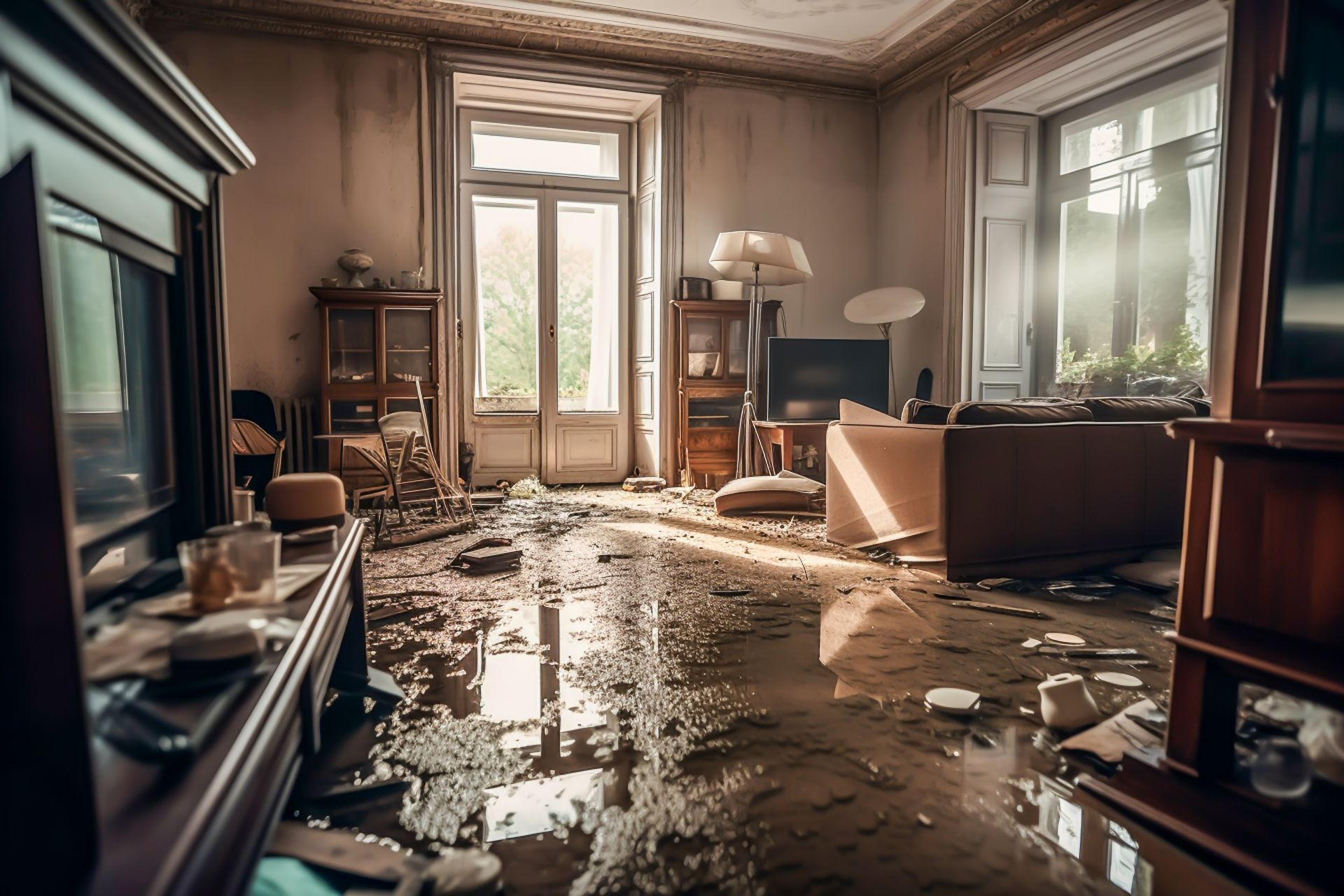
The Truth About Water Damage and Homeowner's Insurance in California

How Wildfire Smoke Can Damage Your LA Home—and What to Do

What Is Category 3 Water Damage in LA and Why Professional Cleanup Matters

What Is Water Mitigation? OC Homeowner Guide to Water Damage Response
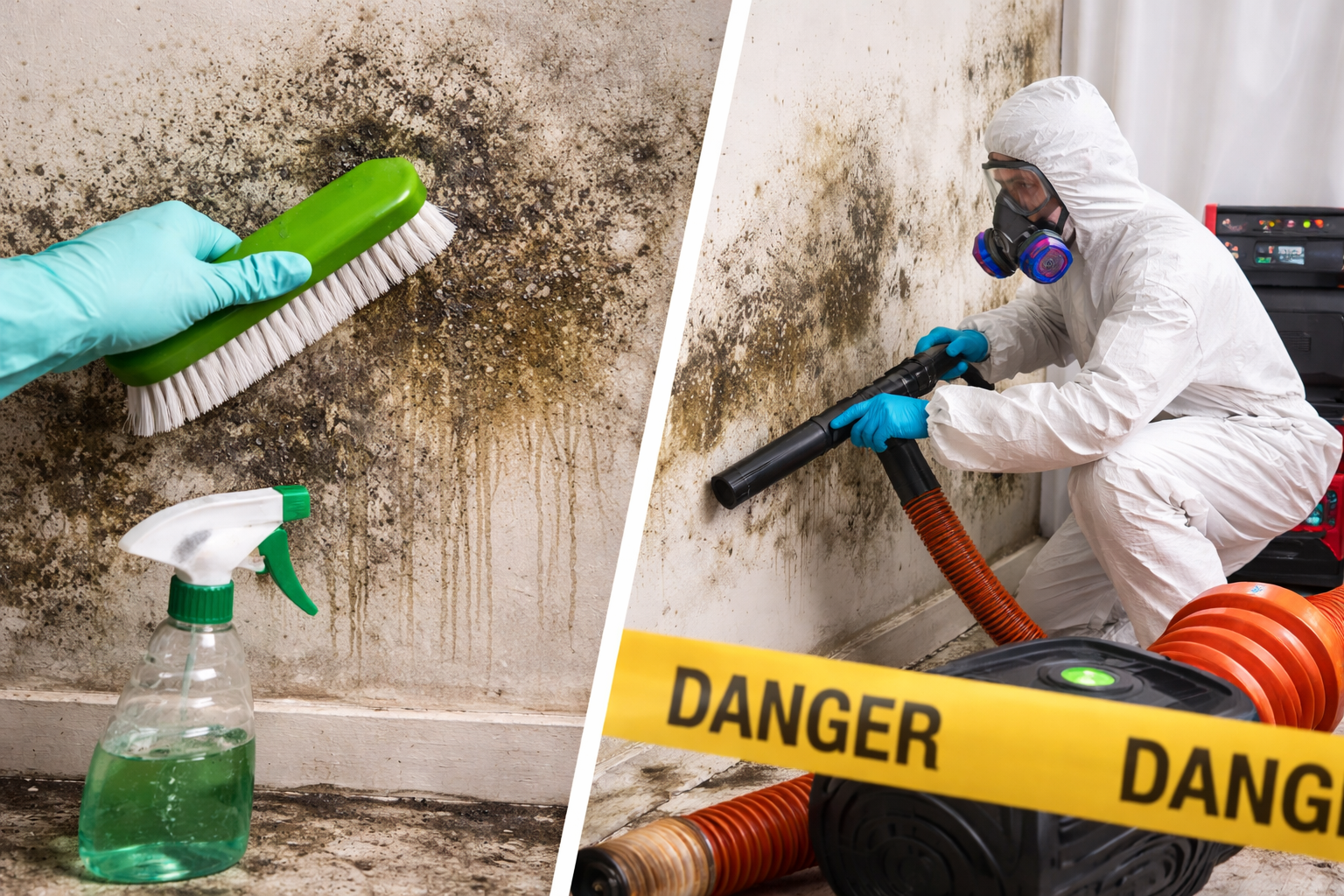
Mold Removal vs. Mold Remediation: What’s the Difference?
Types of Water Damage That Can Occur in Los Angeles Homes: How to Identify Them
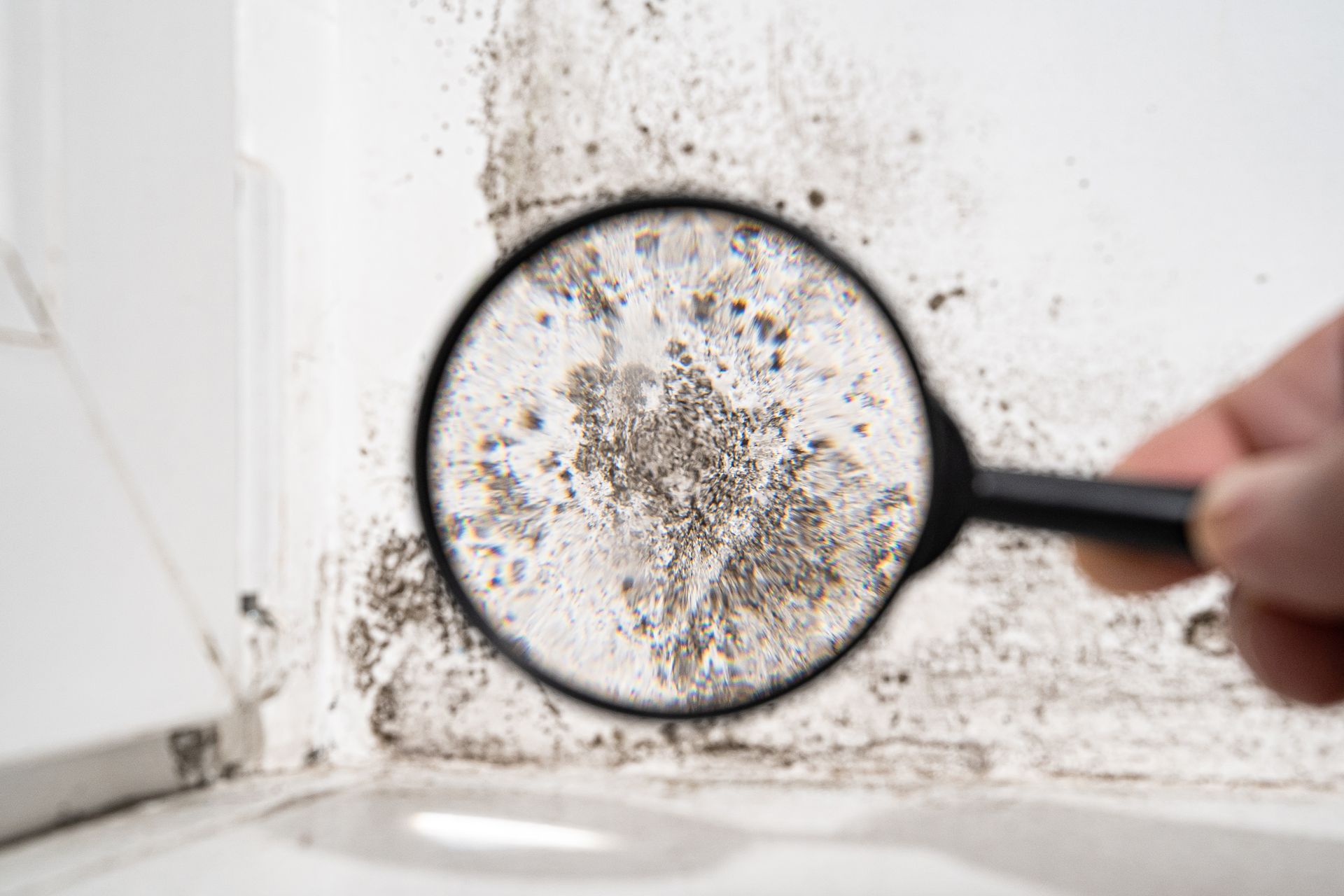
Is Black Mold Dangerous? When to Call a Remediation Professional
How to Get Rid of Mold in Your Anaheim Home: Expert Remediation Guide
Emergency Guide: How to Respond to Ceiling Water Leaks in LA
Black Mold Vs Toxic Black Mold: Differences & Risks in Irvine Homes
Related Posts
Winter Water Damage Risks in California—and How DKI Restotech Helps You Recover Faster
Winter water damage in Los Angeles and Orange County can escalate fast. Learn common risks and how DKI …
Winter Property Emergencies: How Water, Fire & Mold Restoration Services Protect Your Home and Business
Winter property emergencies can cause major damage. Learn how water, fire, and mold restoration services protect homes and …
Winter Water Damage Risks in Irvine, CA
Hidden water damage risks affecting Irvine homes and businesses. Here is everything you need to know, signs to …